Your cart is currently empty
Product image slideshow Items
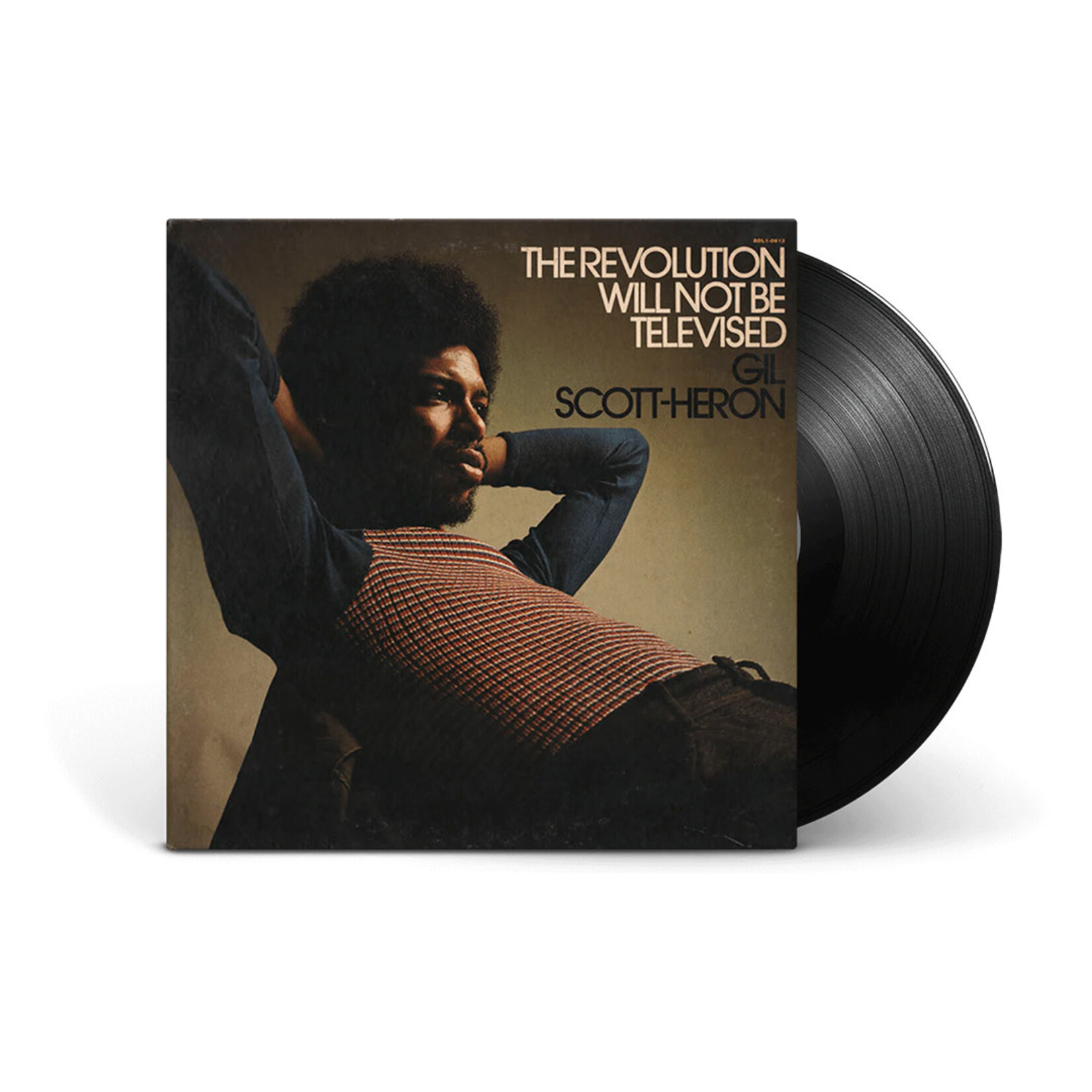
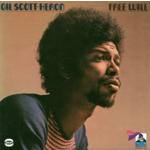
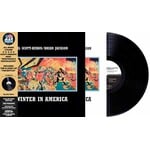
Gil Scott-Heron's 1974 collection of his early Flying Dutchman sides, back in a gatefold jacket.
This BGP reissue puts the 1974 compilation back in its gatefold jacket. It gathers the best of Gil Scott-Heron's first three albums, with Ron Carter, Hubert Laws and Bernard Purdie in the band. Ebony's Phyl Garland called it "mind-blowing" when it came out, and the title track's spoken word over a funk bassline is one of the roots hip hop grew from.
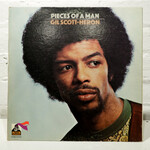
Flying Dutchman put this one together in 1974, pulling eleven tracks from the three albums Gil Scott-Heron had cut for the label with producer Bob Thiele: Small Talk at 125th and Lenox (1970), Pieces of a Man (1971) and Free Will (1972). It opens with the song everyone knows, Scott-Heron's voice riding a hypnotic bassline as he lists, with perfect comic timing, everything the revolution will not be brought to you by. Then it gets deeper. "Lady Day and John Coltrane" swings like a jazz club on a good night, "Pieces of a Man" is a heartbreaker, and "Whitey on the Moon" lands its punchline with a shrug.
The band is a who's who: Ron Carter and Jerry Jemmott on bass, Brian Jackson on piano, Hubert Laws on flute and sax, Bernard "Pretty" Purdie on drums. Scott-Heron called himself a bluesologist, and you can hear why; the music mixes soul, jazz and funk while the words do the real damage. The record spent five weeks on Billboard's jazz chart, peaking at No. 21, and writer William Jelani Cobb later noted it arrived just as hip hop "took its first breaths of South Bronx air."
Half a century on, the title has become a phrase people use without knowing where it came from. This is where it came from, and it sounds rather better on a turntable than on a T-shirt.
"The roots of rap run deep through this superb retrospective."
Los Angeles Daily News
Side A
Side B
On BGP Records / Flying Dutchman (cat# HIQLP165), a reissue of the 1974 album.
Info from Wikipedia, Discogs, Ace Records.
Product carousel items